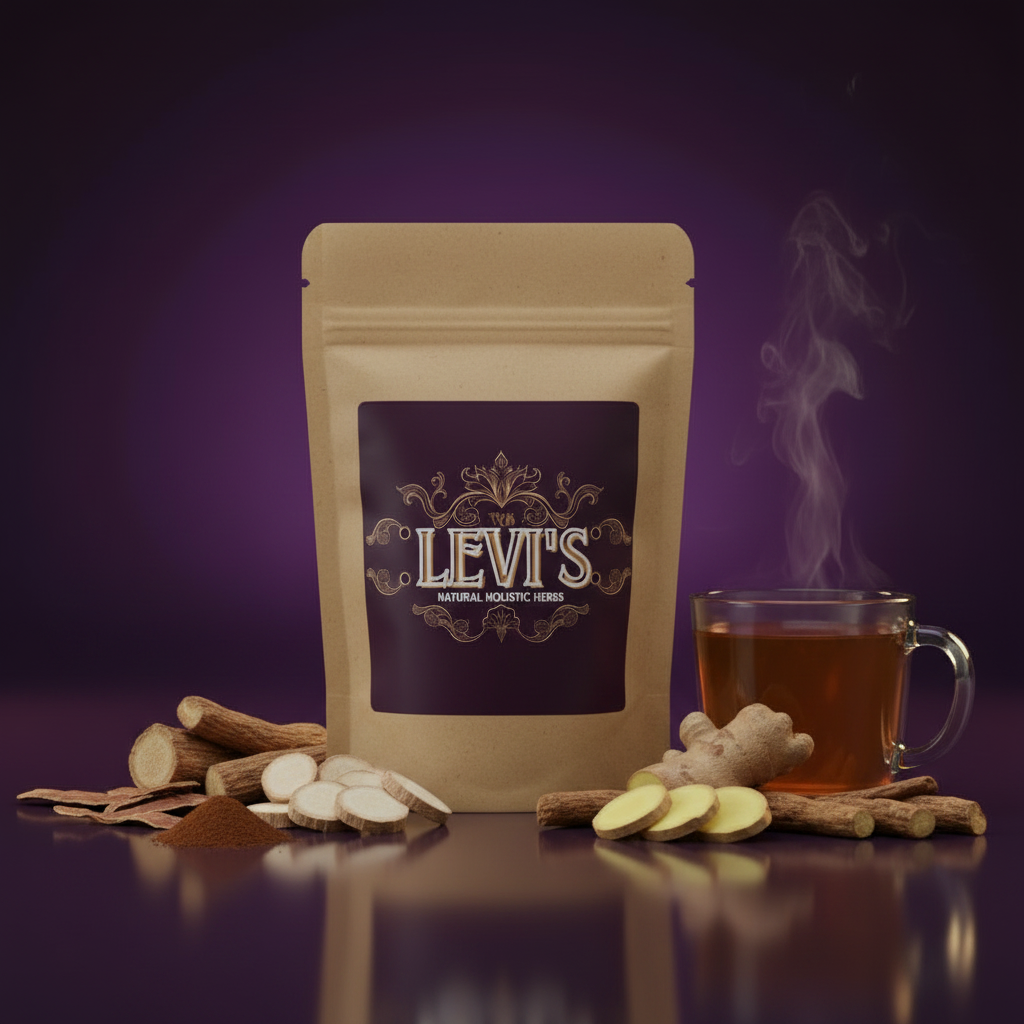
Levi's Natural Holistic Herbs
Slippery Elm Bark Herbal Tea — Children's Digestive & Throat Soothing Support
Slippery Elm Bark Herbal Tea — Children's Digestive & Throat Soothing Support
Couldn't load pickup availability
Slippery Elm Bark Herbal Tea
A warm cup of herbal tea can be a comforting pause in a family day. Slippery elm (Ulmus rubra) inner bark has a traditional reputation for its mucilage: when mixed with water, it develops a smooth, slightly thick texture. That texture is what makes this botanical distinctive; it does not establish that this tea treats a child's illness.
Ingredients and Botanical Background
The existing listing names slippery elm bark and also describes marshmallow root, licorice root, chamomile, ginger root, and cinnamon as blend ingredients. Confirm the exact ingredient list against the package before giving this blend to a child, particularly because herbs and spices can have allergies or medication interactions. Ingredient amounts and package size have not been confirmed.
Why Families May Like It
- Comforting texture: Slippery elm's mucilage makes a brewed tea feel smooth and coating in the mouth.
- Thoughtful warm-drink ritual: After cooling to a safe temperature, the tea can be part of a quiet moment with an older child, if their pediatrician approves the ingredients.
- Herbal tradition: Slippery elm has a history of botanical use, though this does not prove relief of sore throat, reflux, cough, diarrhea, constipation, or bowel disease in children.
How to Brew
The previous listing suggested steeping 1–2 teaspoons of loose tea or one tea bag in 6–8 oz of freshly boiled water, covered for 10–15 minutes. The package format and child-size serving have not been verified, so confirm the blend and serving with a pediatrician before offering it to a child. Stir and let cool completely to a safe drinking temperature. Do not add honey for infants younger than 12 months.
Who Should Use It and Precautions
Consult a licensed pediatric clinician before giving herbal tea to a child, especially if the child takes medication, has allergies, or has ongoing digestive or throat symptoms. Slippery elm's mucilage may interfere with absorption of oral medicines; ask the clinician or pharmacist about spacing. Do not use tea instead of evaluation for persistent cough, breathing difficulty, dehydration, severe belly pain, blood in stool, reflux, or inflammatory bowel disease. Your holistic practitioner can discuss botanicals as part of a broader wellness routine alongside pediatric care.
Important Disclaimer
This product is not intended to diagnose, treat, cure, or prevent any disease. These statements have not been evaluated by the Food and Drug Administration. Children with concerning or persistent symptoms should receive appropriate medical care.
Share