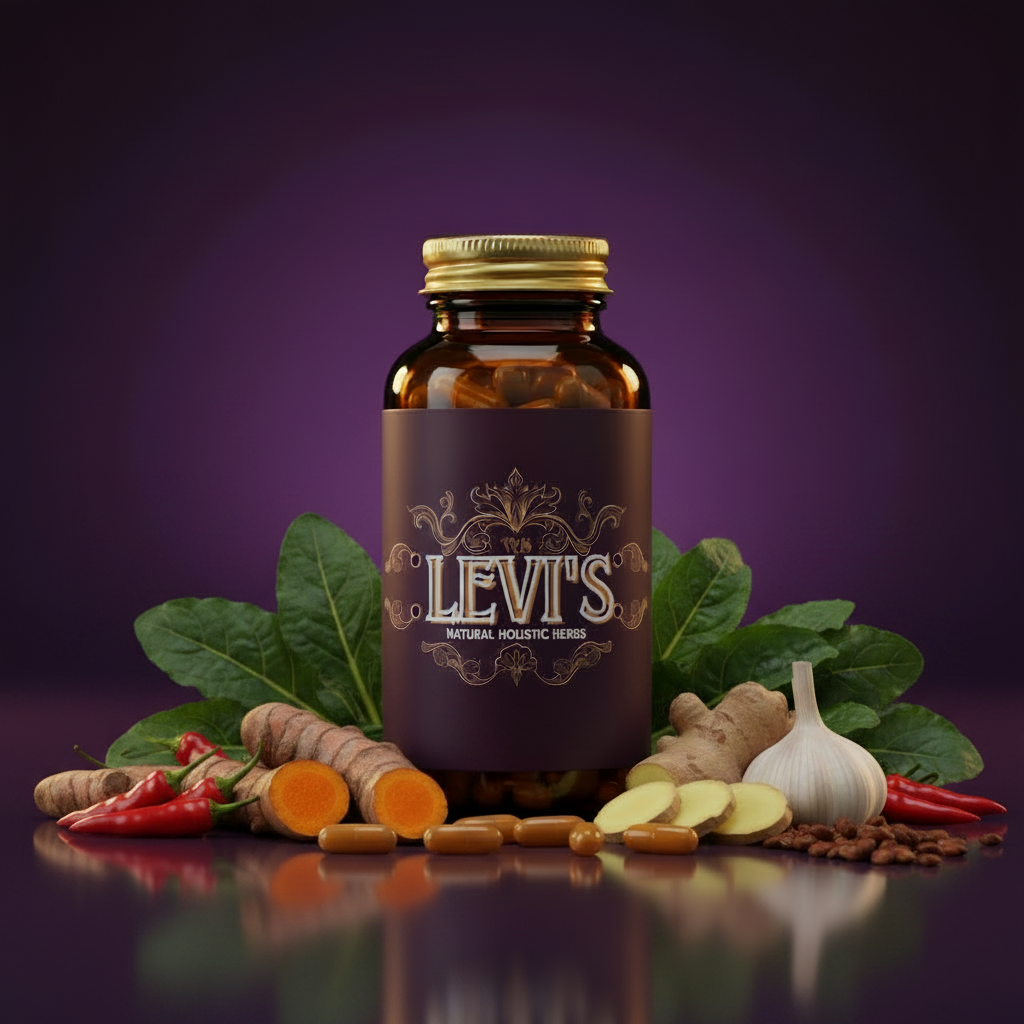
Levi's Natural Holistic Herbs
Sickle Cell Herbal Support Capsules — Pain Relief, Blood Flow & Crisis Prevention Herbal Blend
Couldn't load pickup availability
Sickle Cell Herbal Support Capsules — Pain Relief, Blood Flow & Crisis Prevention Herbal Blend
Sickle Cell Disease (SCD) is a severe inherited hemoglobin disorder in which abnormal HbS hemoglobin causes red blood cells to deform into rigid, crescent-shaped "sickle" cells under conditions of low oxygen, dehydration, cold temperatures, physical stress, or infection. These sickled cells cannot flow freely through small blood vessels, leading to vaso-occlusion — the blockage of blood flow that causes the hallmark excruciating pain crises, progressive organ damage (lungs, kidneys, spleen, brain, eyes), chronic hemolytic anemia, stroke risk, and severely diminished quality of life that define sickle cell disease. Conventional treatments (hydroxyurea, blood transfusions, pain management) reduce crisis frequency and severity but do not address the underlying oxidative stress, inflammation, vascular dysfunction, and red blood cell rigidity that drive the disease. Our Sickle Cell Herbal Support Capsules are formulated to complement conventional therapy by targeting the root biological mechanisms of sickle cell pathophysiology: anti-sickling activity, nitric oxide enhancement for vessel dilation, antioxidant protection of sickled red blood cells, anti-inflammatory pain crisis reduction, and organ protection.
⚠️ Critical: This formula is designed to complement — never replace — prescribed sickle cell treatments (hydroxyurea, voxelotor, crizanlizumab, transfusions). Always consult your hematologist before adding any supplements to your sickle cell management protocol.
🌿 Best Herbs & Individual Deep Benefits
1. Turmeric Root (Curcuma longa) — Anti-sickling & Anti-inflammatory
- Curcumin directly inhibits HbS polymerization — the molecular event that causes hemoglobin to crystallize and deform red blood cells into sickle shapes under low oxygen conditions
- Documented anti-sickling activity in laboratory studies — reduces the percentage of cells that sickle under deoxygenated conditions
- Powerful NF-κB inhibition reduces the systemic inflammation that amplifies vaso-occlusive pain crisis severity and duration
- Reduces vascular endothelial inflammation — the blood vessel wall damage that facilitates sickled cell adhesion and occlusion
- Antioxidant — reduces the extreme oxidative stress generated by chronic hemolysis and sickled cell membrane breakdown
2. Garlic (Allium sativum) — Anti-sickling & Nitric Oxide Booster
- Allicin and ajoene demonstrate documented anti-sickling activity — inhibiting HbS polymer formation and reducing red blood cell rigidity in laboratory and animal studies
- Stimulates endothelial nitric oxide synthase (eNOS) — increasing nitric oxide production that dilates blood vessels and prevents sickled cell vascular adhesion
- Nitric oxide deficiency is a central mechanism of sickle cell vascular disease — garlic directly addresses this critical pathophysiological deficit
- Antiplatelet activity — reduces the hypercoagulability and platelet activation that worsens vaso-occlusive events
- Reduces LDL oxidation — protecting the accelerated cardiovascular disease that complicates chronic sickle cell disease
3. Ginger Root (Zingiber officinale) — Pain Crisis Relief & Blood Flow
- Gingerols inhibit COX-2 and 5-LOX — the inflammatory enzyme pathways driving the inflammatory component of sickle cell pain crises
- Documented anti-sickling activity — gingerol compounds reduce HbS polymerization and sickle cell rigidity in laboratory models
- Antiplatelet activity through thromboxane A2 inhibition — reducing the platelet aggregation that promotes vaso-occlusion in sickle cell crisis
- Vasodilatory — improves peripheral blood flow to tissue beds most vulnerable to vaso-occlusion (bone marrow, joints, hands, feet)
- Digestive support — reduces opioid-induced constipation and nausea from pain medications used in sickle cell crisis management
4. Cayenne Pepper (Capsicum annuum) — Vasodilator & Pain Modulator
- Capsaicin activates TRPV1 receptors followed by substance P depletion — reducing the chronic pain sensitization that worsens sickle cell pain crisis perception and duration
- Powerful vasodilator — dilates peripheral blood vessels to improve flow to areas experiencing vaso-occlusion and ischemia
- Stimulates circulation to the extremities — addressing the hand-foot syndrome (dactylitis) common in sickle cell patients, especially children
- Anti-platelet — reduces fibrin formation and platelet aggregation that contribute to vascular occlusion during crisis
- Stimulates endorphin release — providing natural pain modulation during acute and chronic sickle cell pain episodes
5. Moringa Leaf (Moringa oleifera) — Nutritional Support & Anti-sickling
- Documented anti-sickling activity — Moringa leaf extract reduces sickling percentage and increases osmotic fragility resistance in red blood cells in multiple laboratory studies
- Exceptionally rich in iron, folate, and Vitamin B12 — nutrients critically depleted in sickle cell anemia due to chronic hemolysis and increased red blood cell turnover
- Contains isothiocyanates that reduce oxidative hemoglobin damage — protecting sickled red blood cells from the accelerated oxidative destruction that drives hemolytic anemia
- Rich in Vitamin C — enhances iron absorption and supports collagen synthesis for vascular wall integrity
- Immunostimulant — supports immune function in the asplenic or functionally asplenic sickle cell patient highly susceptible to bacterial infections
6. Dong Quai (Angelica sinensis) — Blood Tonifier & Vasodilator
- Ferulic acid has documented anti-sickling activity — inhibiting HbS polymer formation and increasing red blood cell deformability
- Vasodilatory through calcium channel blocking activity — improves microvascular blood flow in tissue beds affected by vaso-occlusion
- Traditional blood tonic in Chinese medicine — supports red blood cell production and hemoglobin synthesis to address sickle cell chronic anemia
- Antiplatelet and mild anticoagulant activity — reduces the hypercoagulable state that worsens sickle cell vascular occlusion
- Reduces vascular smooth muscle spasm — relieving the vasospasm component of sickle cell pain crises affecting small arterioles
7. Astragalus Root (Astragalus membranaceus) — Immune Support & Organ Protector
- Restores immune function in functionally asplenic sickle cell patients — who are at extreme risk of life-threatening bacterial sepsis from encapsulated organisms (Streptococcus pneumoniae, Haemophilus influenzae)
- Nephroprotective — protects kidneys from the progressive sickle cell nephropathy (sickle cell kidney disease) that leads to renal failure in 30% of adult patients
- Cardioprotective — reduces sickle cell-related cardiomegaly and cardiac dysfunction from chronic anemia-driven high cardiac output states
- Astragaloside IV promotes bone marrow red blood cell production — supporting erythropoiesis impaired by chronic hemolysis
- Adaptogenic — reduces chronic stress-driven immune dysfunction that increases infection susceptibility and crisis frequency
8. Bilberry / Blueberry Extract (Vaccinium myrtillus) — Antioxidant & Vascular Protector
- Anthocyanins are among the most potent antioxidants for protecting red blood cell membranes from oxidative damage — directly addressing the chronic oxidative hemolysis central to sickle cell pathophysiology
- Reduces vascular endothelial oxidative damage — protecting blood vessel walls from the chronic inflammation and oxidative injury caused by adhesion of sickled cells
- Improves microvascular circulation and capillary integrity — supporting blood flow in the smallest vessels most vulnerable to sickle cell occlusion
- Retinal vascular protection — reduces sickle cell retinopathy, a common complication causing progressive vision loss in sickle cell patients
- Anti-inflammatory through NF-κB inhibition — reducing the chronic inflammation driving progressive organ damage
💪 Full Sickle Cell Support Benefits
🩸 Anti-sickling Activity
- Multiple herbs with documented HbS polymerization inhibition — reducing the fundamental molecular event causing red blood cell deformation
- Increases red blood cell deformability — allowing sickle cells to navigate small blood vessels with less likelihood of occlusion
- Reduces the percentage of cells that sickle under low-oxygen conditions through multiple botanical anti-sickling mechanisms
🩸 Pain Crisis Prevention & Relief
- Reduces the frequency and severity of vaso-occlusive pain crises through anti-sickling, vasodilatory, and anti-inflammatory mechanisms
- Addresses both the inflammatory and vascular components of sickle cell pain
- Reduces chronic pain sensitization that worsens acute crisis pain perception
- Supports faster crisis resolution through improved blood flow restoration to ischemic tissue
❤️ Cardiovascular & Vascular Health
- Nitric oxide enhancement improves vascular tone and reduces sickled cell adhesion to vessel walls
- Antiplatelet activity reduces hypercoagulability that worsens vaso-occlusive events
- Cardioprotective herbs reduce chronic anemia-driven cardiac strain and cardiomegaly
🫀 Organ Protection
- Nephroprotective support for the kidneys — most commonly damaged organ in sickle cell disease
- Retinal vascular protection reduces sickle cell retinopathy and vision loss risk
- Lung protection reduces acute chest syndrome risk — the leading cause of sickle cell hospitalization and mortality
- Hepatoprotective support for sickle cell hepatopathy from chronic hemolysis and iron overload
🕐 How Long to Take
- Daily prevention: 2 capsules twice daily consistently — anti-sickling and vascular benefits require continuous use
- During crisis prodrome: 3 capsules twice daily at first warning signs (fatigue, localized pain, fever) to reduce crisis severity
- Long-term: Continuous daily use — sickle cell is a lifelong condition requiring consistent complementary support
- Minimum effective period: 90–180 days for measurable reduction in crisis frequency
- Monitor with your hematologist every 3 months — track crisis frequency, hemoglobin levels, and organ function
🍽️ Sickle Cell-Specific Diet Plan
✅ Best Foods for Sickle Cell Health
- High-folate foods: Leafy greens, lentils, asparagus, avocado — sickle cell patients require 5mg folate daily due to increased red blood cell turnover; folate deficiency worsens anemia
- Iron-rich foods (with Vitamin C): Lean red meat, legumes, fortified cereals with citrus juice — addresses chronic anemia from hemolysis; always pair with Vitamin C to enhance non-heme iron absorption
- High-water foods: Cucumber, watermelon, celery, soups — dehydration is the #1 preventable trigger of sickle cell crisis; maintain exceptional hydration
- Antioxidant-rich foods: Blueberries, pomegranate, dark leafy greens — combat the extreme oxidative stress of chronic hemolysis
- Zinc-rich foods: Oysters, beef, pumpkin seeds — zinc deficiency is common in sickle cell and worsens immune function, growth, and wound healing
- Omega-3 fatty acids: Wild salmon, sardines, flaxseed — reduce vascular inflammation and improve red blood cell membrane deformability
🚫 Foods & Triggers to Strictly Avoid
- Dehydration — the #1 crisis trigger: Never allow thirst to develop; drink a minimum of 10–12 glasses of water daily; increase further in heat, exercise, or illness
- Alcohol: Dehydrating, inflammatory, and directly toxic to red blood cells — a major crisis trigger
- Cold foods and beverages: Cold temperatures cause vasoconstriction and can precipitate crisis — prefer room temperature or warm foods and drinks
- High-altitude travel without oxygen: Low oxygen environments directly trigger HbS polymerization and crisis — discuss with hematologist before air travel or altitude exposure
- Physical overexertion: Intense exercise causes oxygen depletion and dehydration — the two primary crisis triggers; engage only in moderate, well-hydrated activity
- Refined sugar: Promotes inflammation and impairs immune function in the already immunocompromised sickle cell patient
🟢 Critical Sickle Cell Lifestyle Practices
- Hydration as medicine: 10–12 glasses of water daily minimum — the single most important crisis prevention practice
- Warmth: Dress warmly in cold weather; avoid cold water exposure — cold triggers vasospasm and crisis
- Infection prevention: Stay current on all vaccinations (pneumococcal, meningococcal, influenza) — infections are a leading crisis and mortality trigger
- Folic acid supplementation: 5mg daily — standard of care for all sickle cell patients to support red blood cell production
Who Can Take This
- ✅ Adults 18+ with sickle cell disease (HbSS, HbSC, HbSβ-thalassemia) — always under hematologist supervision
- ✅ Adults with sickle cell trait (HbAS) seeking preventive vascular and antioxidant support
- ✅ Parents seeking complementary support for adult children with sickle cell disease
- ❌ Children under 18 — consult pediatric hematologist before use
- ❌ Pregnant sickle cell patients — consult obstetric hematologist before use; Dong Quai is contraindicated in pregnancy
- ❌ Patients on anticoagulant therapy — several herbs have antiplatelet activity; consult hematologist
Warnings
- ⚠️ Always work with your hematologist — sickle cell disease is a serious genetic condition requiring specialist medical management
- ⚠️ Never stop or reduce prescribed medications (hydroxyurea, transfusions) without hematologist guidance
- ⚠️ Dong Quai is contraindicated in pregnancy — avoid if pregnant or trying to conceive
- ⚠️ Garlic, Ginger, and Dong Quai have antiplatelet activity — disclose to hematologist if on anticoagulants
- ⚠️ Seek emergency care immediately for fever over 101°F, chest pain, shortness of breath, stroke symptoms, or severe pain crisis
⚠️ Medical Disclaimer: This product is not intended to diagnose, treat, cure, or prevent any disease. These statements have not been evaluated by the Food and Drug Administration. Always consult your licensed hematologist and healthcare provider before beginning any new supplement regimen.
Share